Guardians of two iconic African ecosystems
WHO WE ARE
A key force in Tanzanian community empowerment and conservation
The Friedkin Conservation Fund (FCF) is a non-profit organization focused on impactful philanthropic and conservation initiatives in Tanzania. Together with our affiliate companies, Legendary Expeditions and Mwiba Holdings Limited, we are driven by a commitment to safeguard Tanzania’s natural heritage for future generations.
We operate in one of the most biologically rich and culturally significant landscapes on Earth, managing three vast wilderness areas: Mwiba Reserve, Maswa Kimali, and Maswa Mbono. These areas represent an astonishing 8% of the entire protected network of the Greater Serengeti and Ngorongoro Crater ecosystems, measuring about 2,000 square kilometers or approximately 800 square miles.
In this position of privilege and responsibility, FCF serves as a key conservation force at the intersection of biodiversity and wildlife protection, and community empowerment.
Our vision
We envision a future where Tanzania’s natural landscapes and wildlife are protected, ensuring the survival of the Greater Serengeti and Ngorongoro Crater ecosystems for generations to come.
Our mission
Our mission is to protect and conserve this incomparable wilderness for future generations and improve our communities' social, economic, and environmental well-being. This can only be achieved by partnering with the local communities with whom we share this land, the Tanzanian government, and other stakeholders.
OUR LEGACY
Over three decades of commitment to conservation and community
Our journey began in 1994 with a vision that was ahead of its time: that successful conservation in Africa must go hand-in-hand with community empowerment and responsible tourism. Since then, we have grown into one of Tanzania’s most respected conservation institutions, overseeing some of the largest exclusively managed wilderness areas in East Africa.
For over 30 years, we have worked tirelessly to build trust, restore degraded landscapes, strengthen wildlife law enforcement, and invest in local communities. This legacy is not just measured in hectares protected or rhinos saved — it lives in the hearts of the rangers we’ve trained, the students we’ve educated, the women we’ve empowered, and the wildlife we’ve protected.
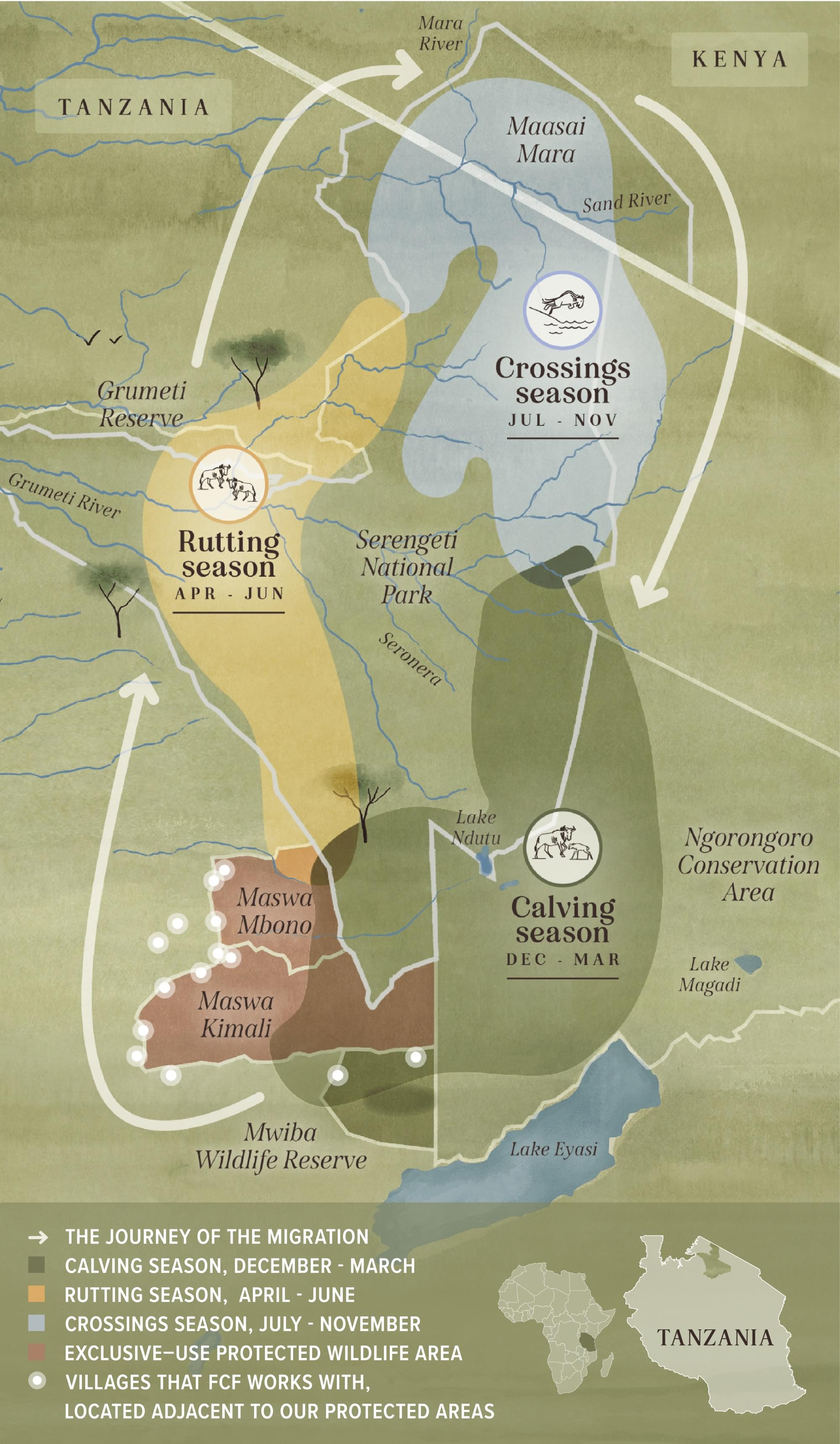
OF THE MIGRATION
DEC - MAR
APR - JUN
JUL- NOV
PROTECTED WILDLIFE AREA (BUFFER ZONE)
WITH, LOCATED ADJACENT
TO OUR PROTECTED AREAS
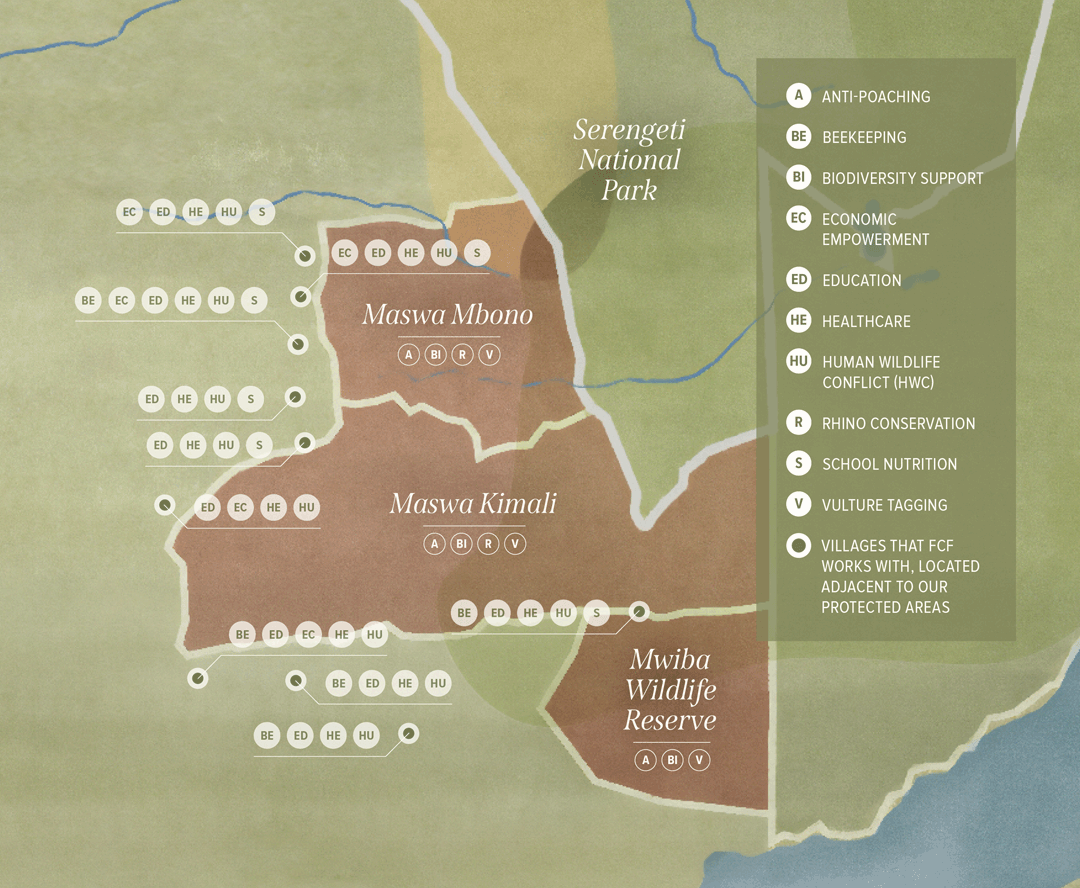
The buffer zones we operate in
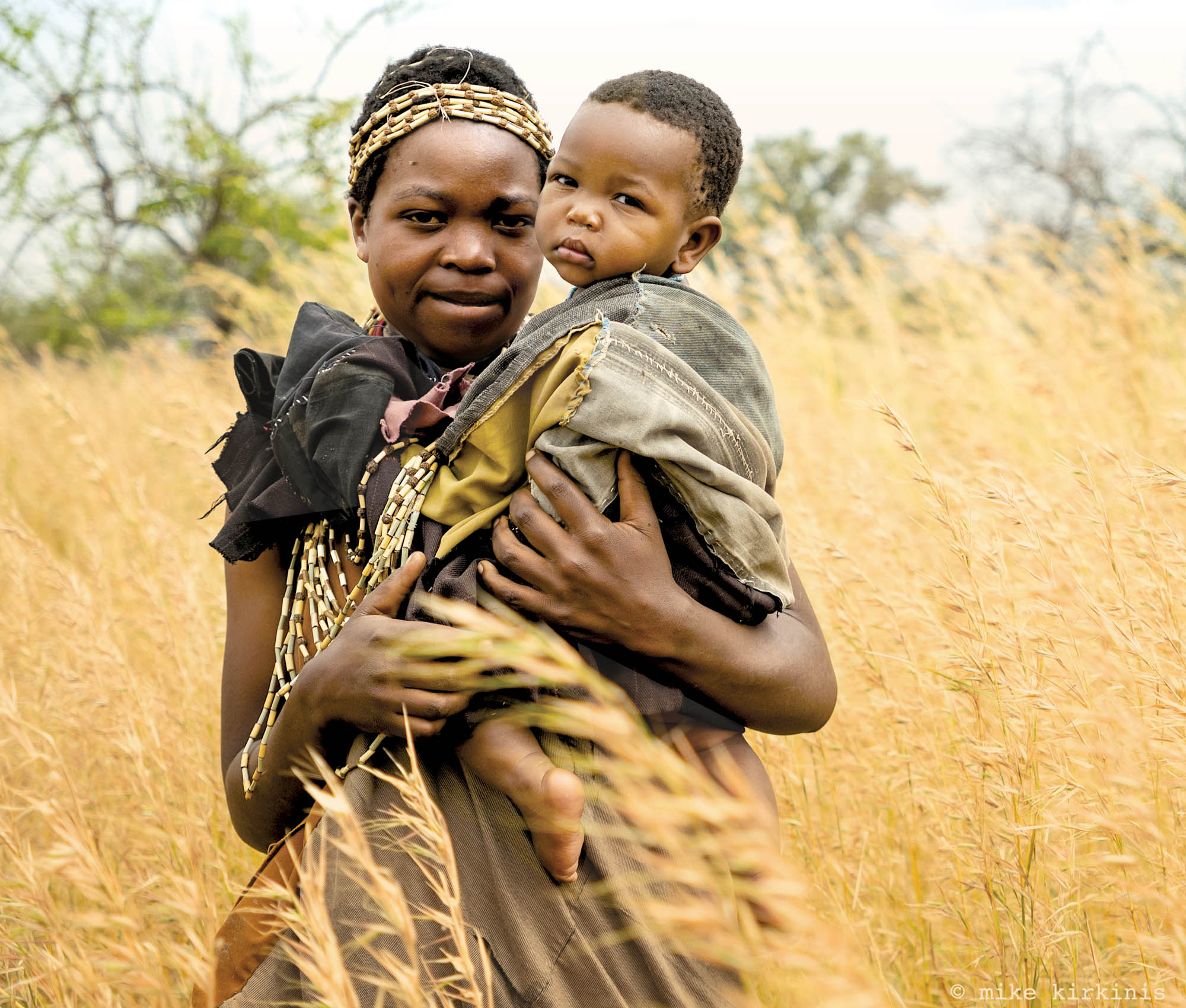
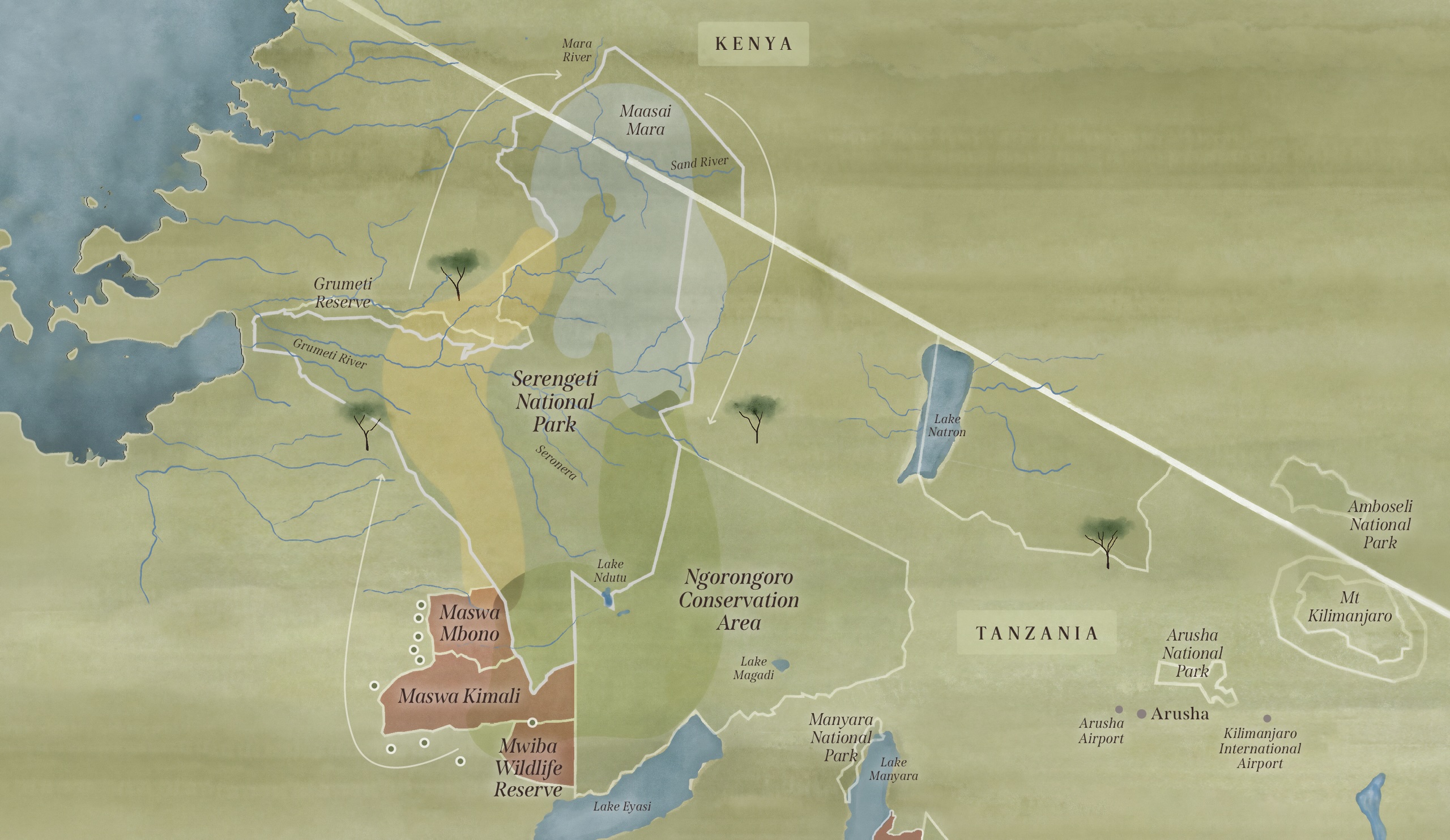
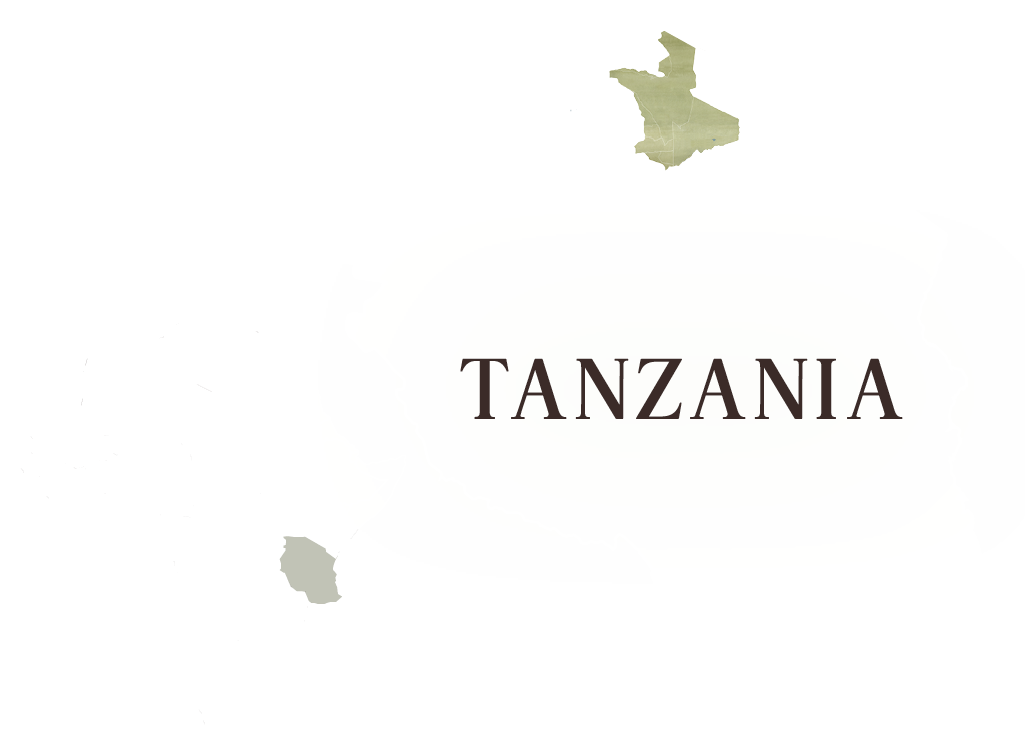
FCF operates within three vast and vital tracts of wilderness, Mwiba Reserve, Maswa Kimali and Maswa Mbono, which lie along the southern and western boundaries of Serengeti National Park. Together, these areas span about 2,000 square kilometers or approximately 800 square miles, an area roughly the size of Luxembourg.
OUR ROLE
Guardians of three vital buffer zones
Mwiba Reserve and Maswa Mbono and Kimali are more than just protected wildlife areas — they form crucial boundaries or zones of transition (known as buffer zones) that separate the Serengeti National Park and Ngorongoro Crater Conservation Area from surrounding human settlements.
Together, the areas we oversee comprise 36% of all buffer zones surrounding the Serengeti National Park and Ngorongoro Crater Conservancy Area.
In today’s conservation landscape, buffer zones are where the future of wildlife will be decided. These transitional spaces between fully protected parks and human development provide wildlife with room to roam while minimizing conflict with surrounding communities.
FCF’s proactive management of these areas, which includes a range of conservation and community empowerment projects, ensures the protection of wildlife and people beyond park boundaries.
The power of connectivity in conservation
Ecological connectivity — wildlife’s ability to move freely between habitats — is essential for the survival of species, as, in isolation, populations face inbreeding and in some cases, extinction. In the face of expanding human populations and the resulting fragmentation of our wild spaces, we must reconnect broken ecosystems to ensure wildlife has the opportunity to thrive.
Buffer zones and wildlife corridors hold the key to ecological connectivity — reopening migratory routes and, in turn, ensuring gene flow and climate resilience particularly in wide-ranging species such as elephants, lions, and wildebeests.
We see the importance of ecological connectivity play out in the annual journey of the Great Migration. The herds continue to thrive, their movement unrestricted as they spill out of the Serengeti into neighboring buffer zones — and across the Kenyan border into the Maasai Mara.
Protecting one of the largest mammal migrations on Earth
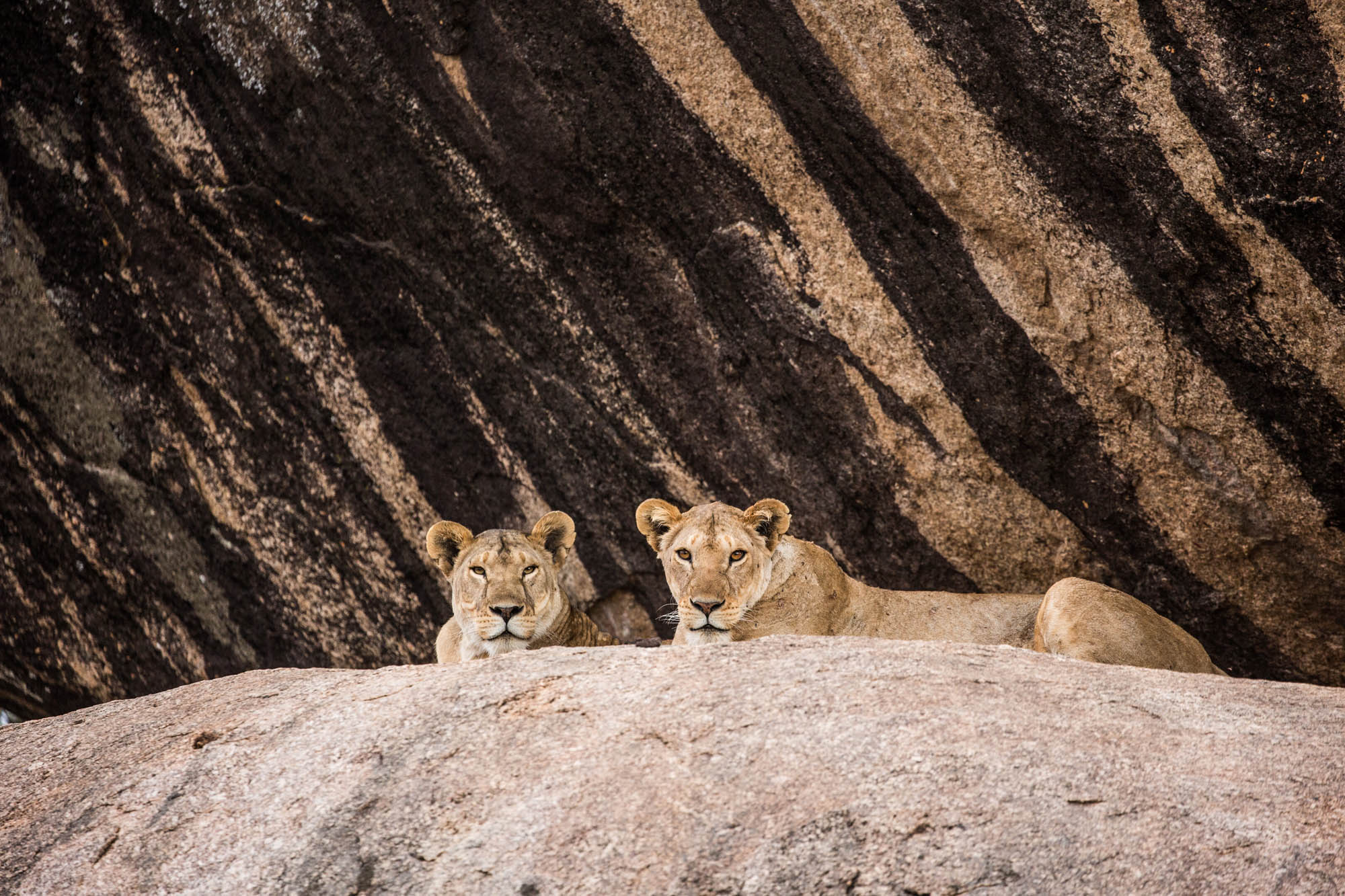
As guardians of these vital buffer zones, we, by extension, play a crucial role in protecting the legendary Great Migration — one of Earth's greatest natural spectacles.
This epic journey spans over 1,000 kilometers and sees more than 1.5 million wildebeest accompanied by hundreds of thousands of zebras and gazelles traveling in a continuous circular route across the Serengeti-Mara ecosystem.
Our conservation efforts ensure this remarkable natural cycle continues for generations to come.
OUR WORK
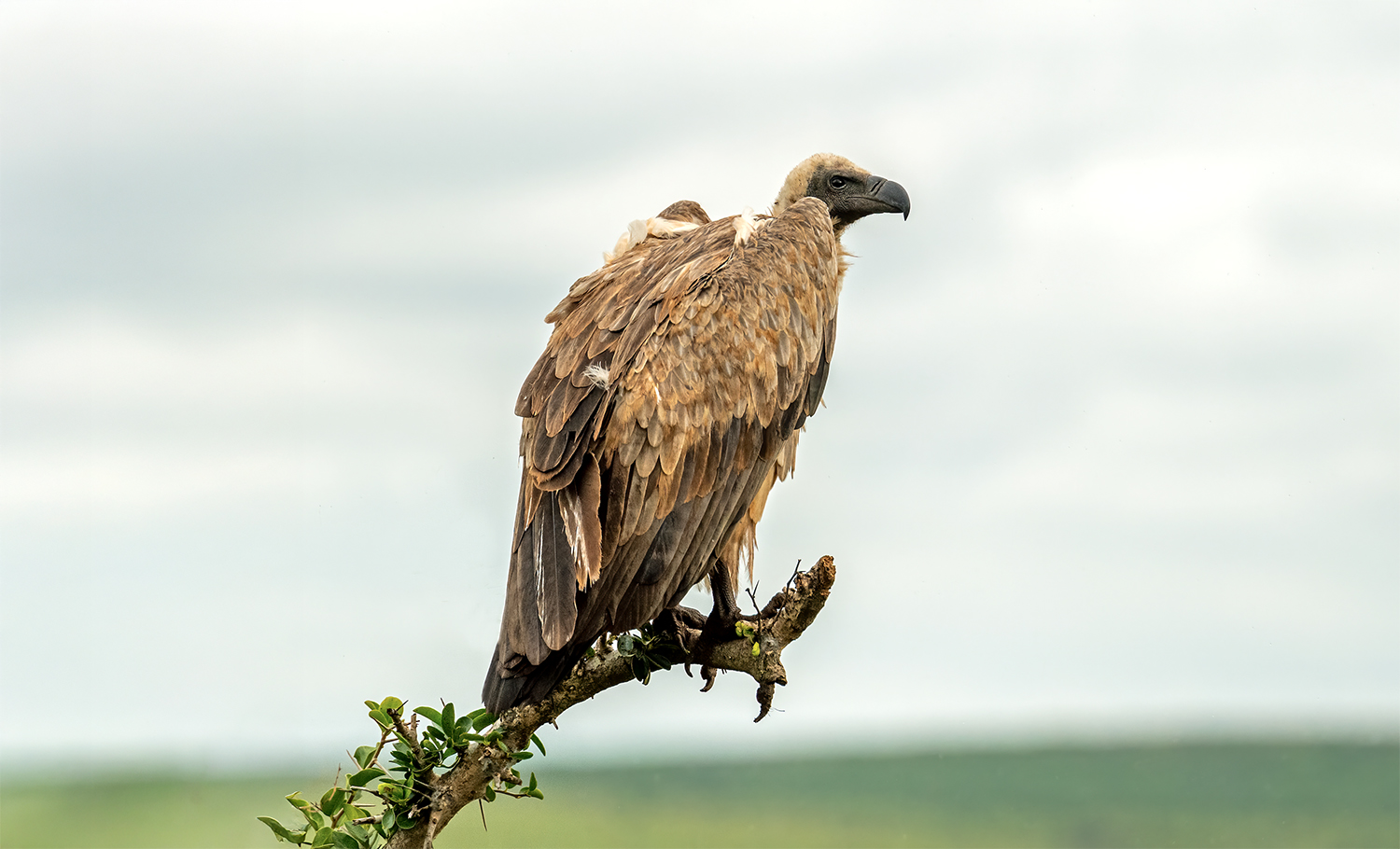
Conservation
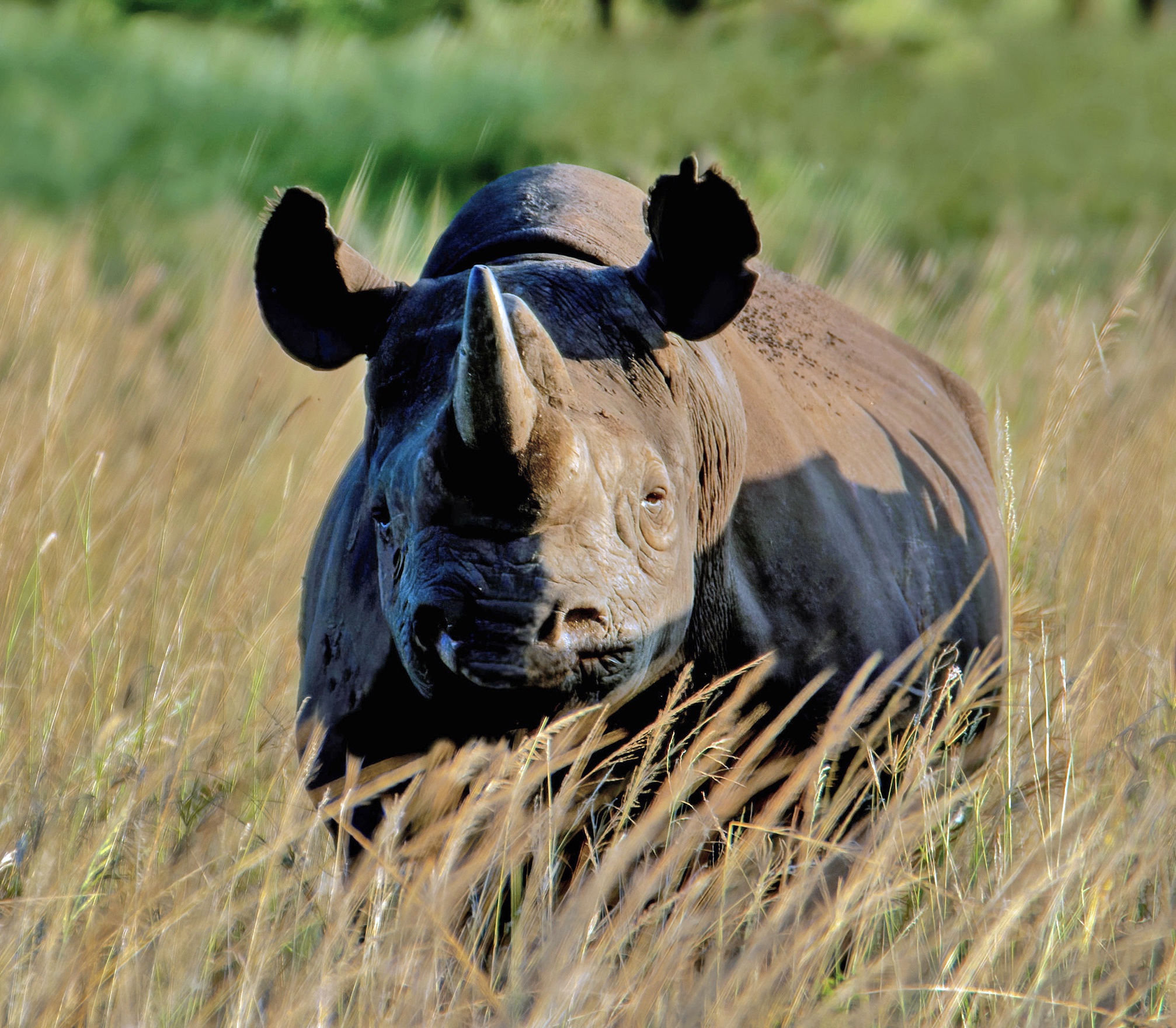
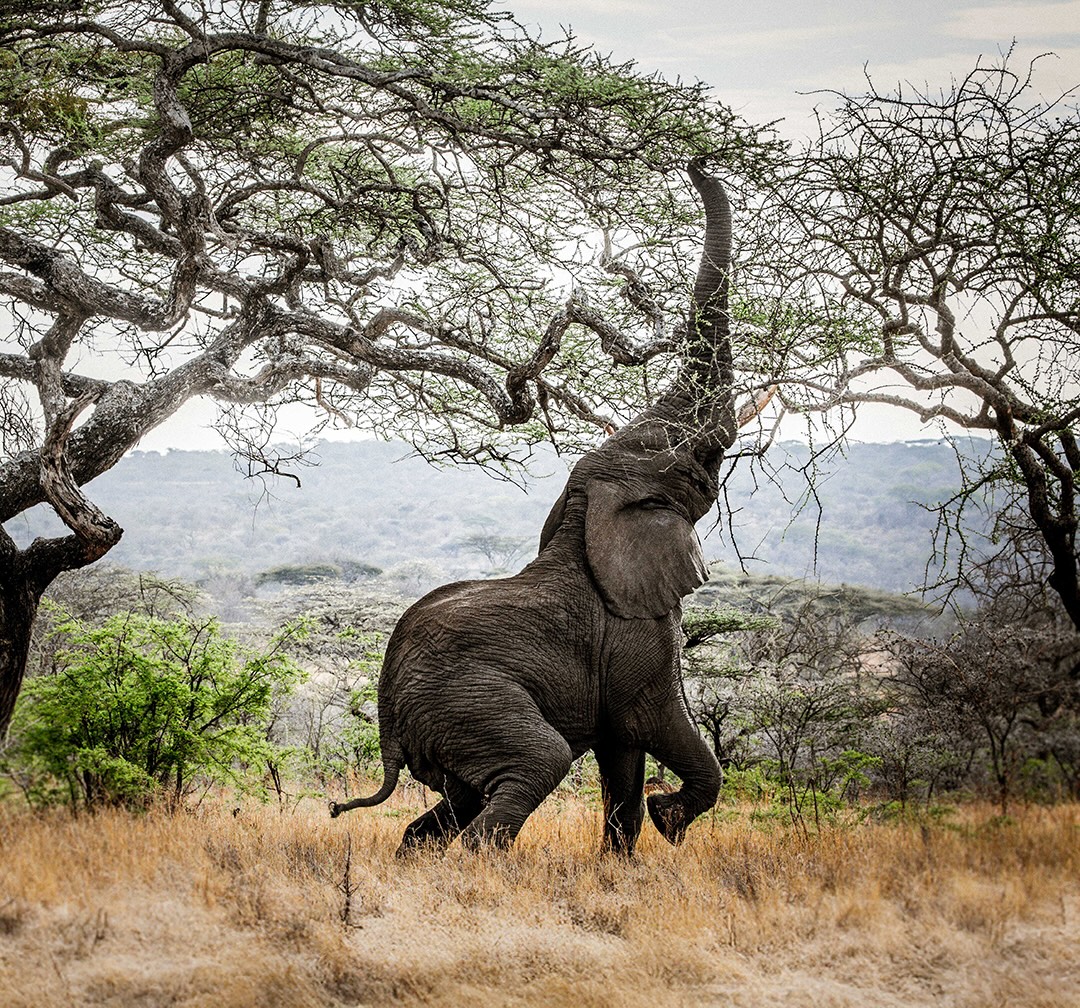
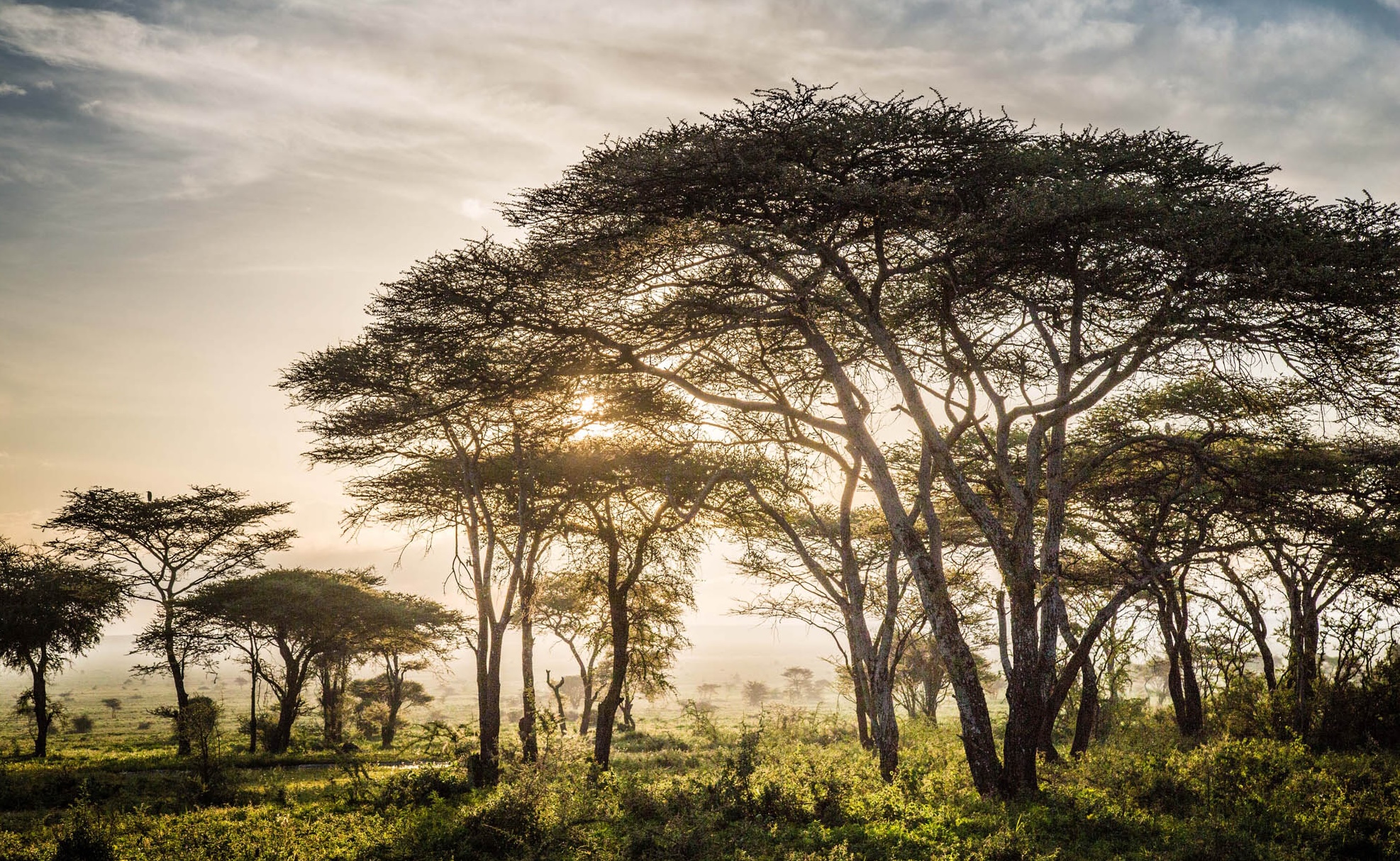
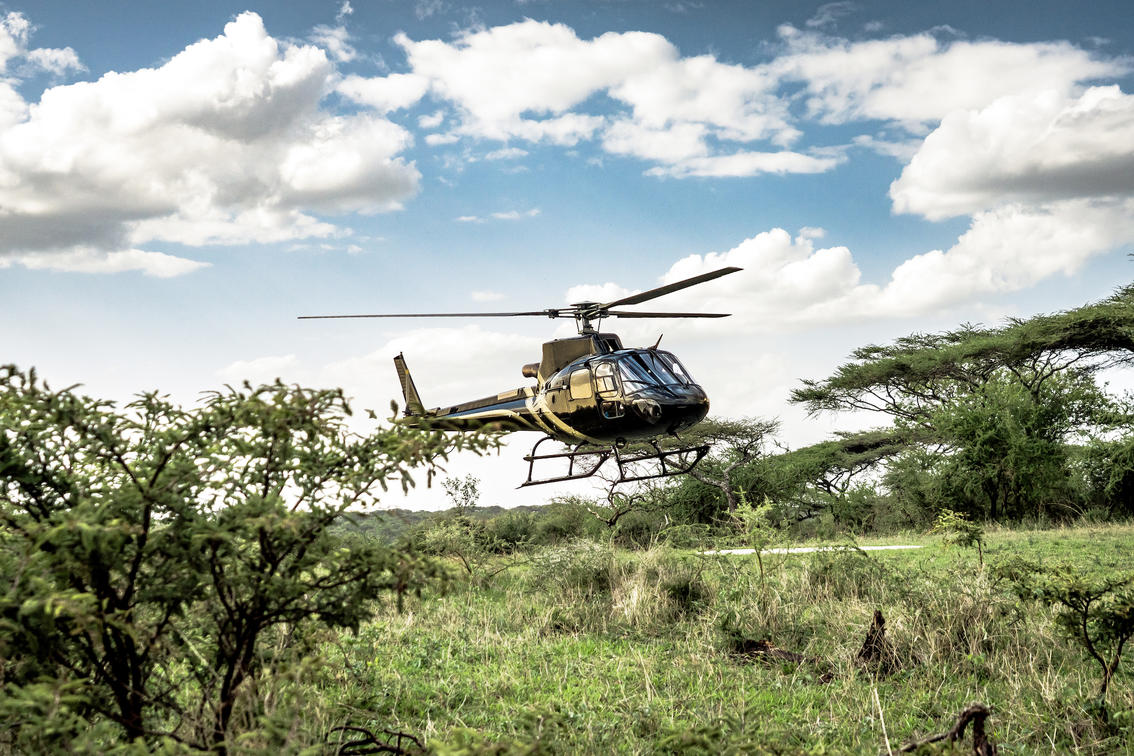
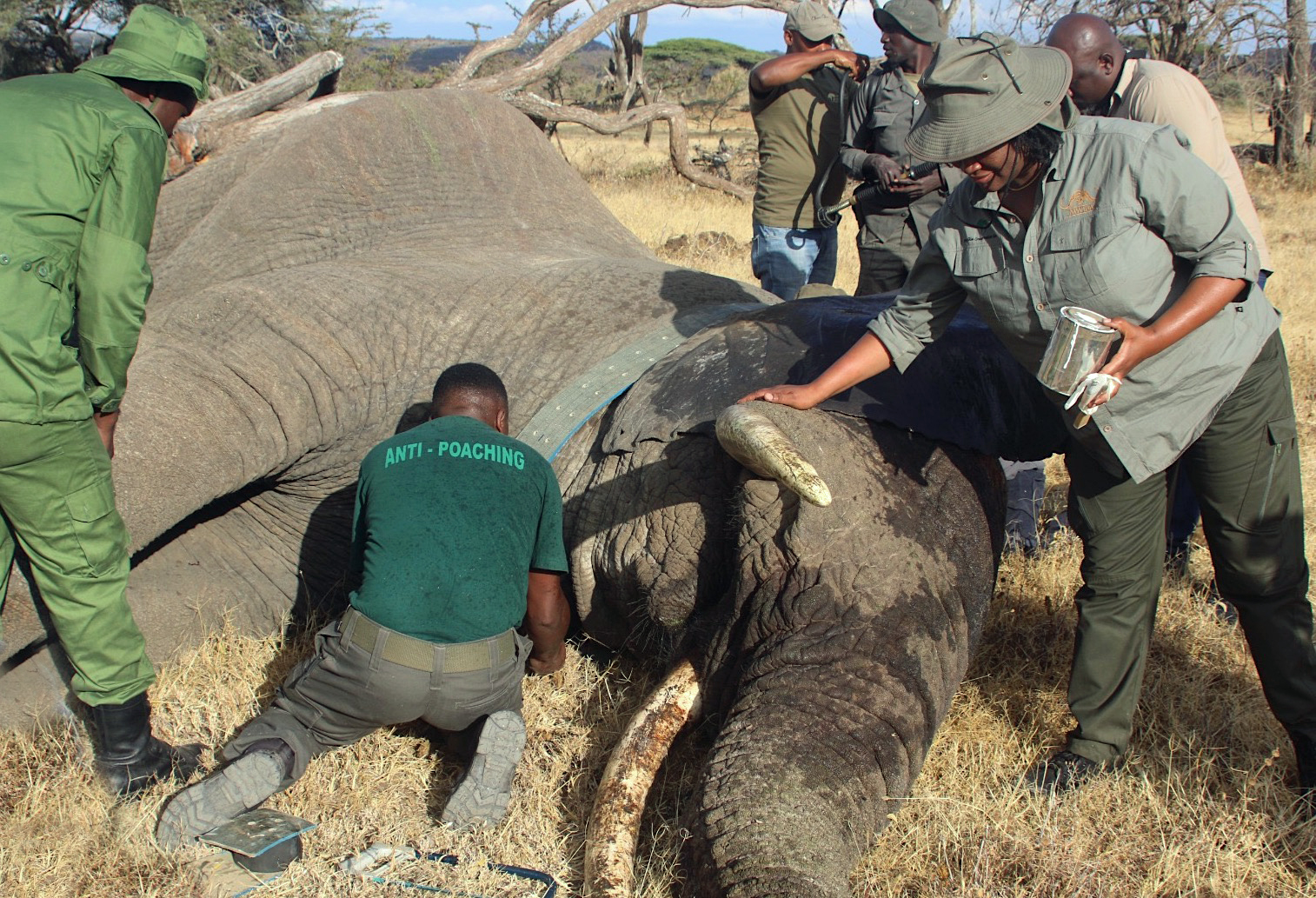
The preservation of this ecosystem, its fauna and flora, is at the heart of everything we do.
OUR WORK
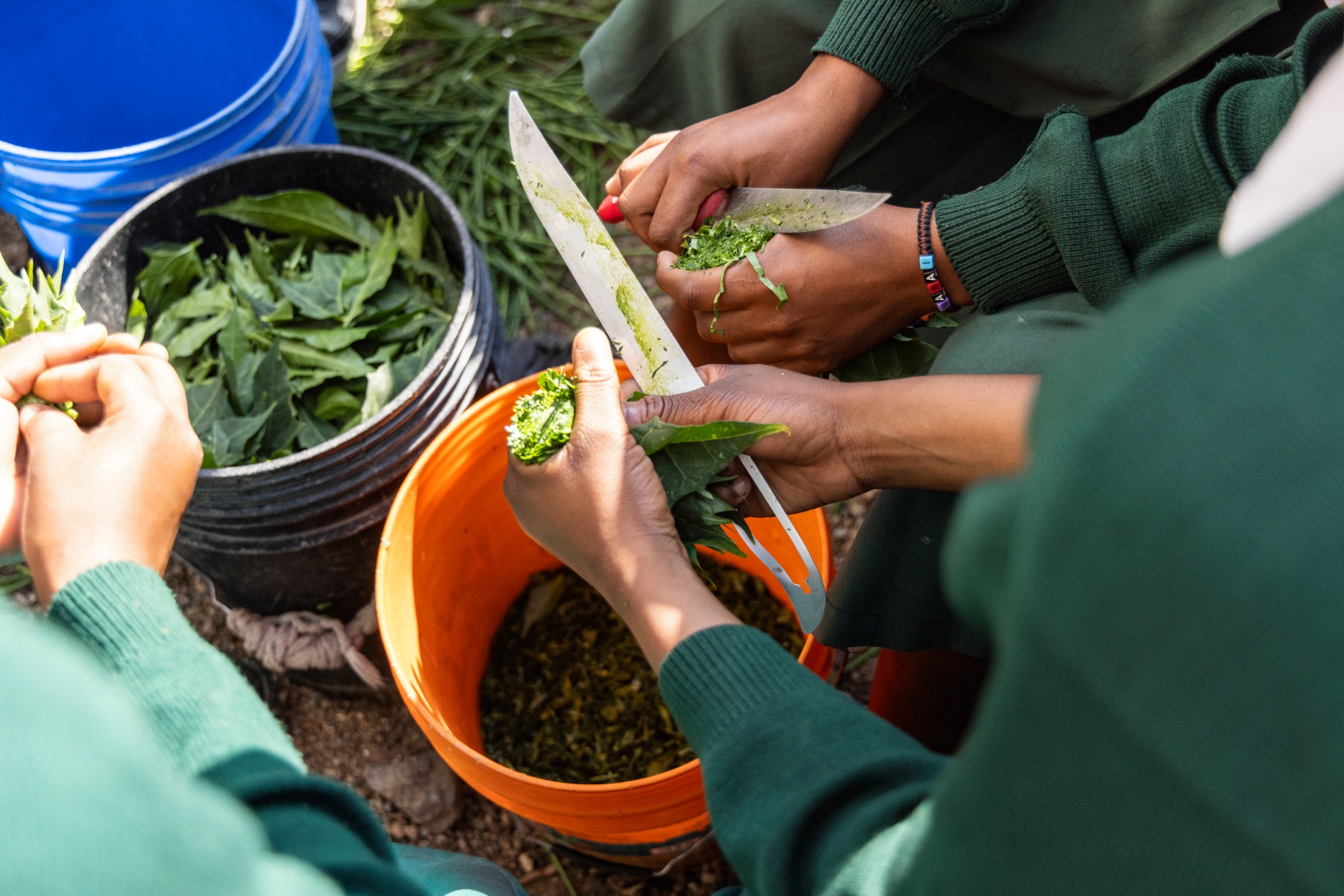
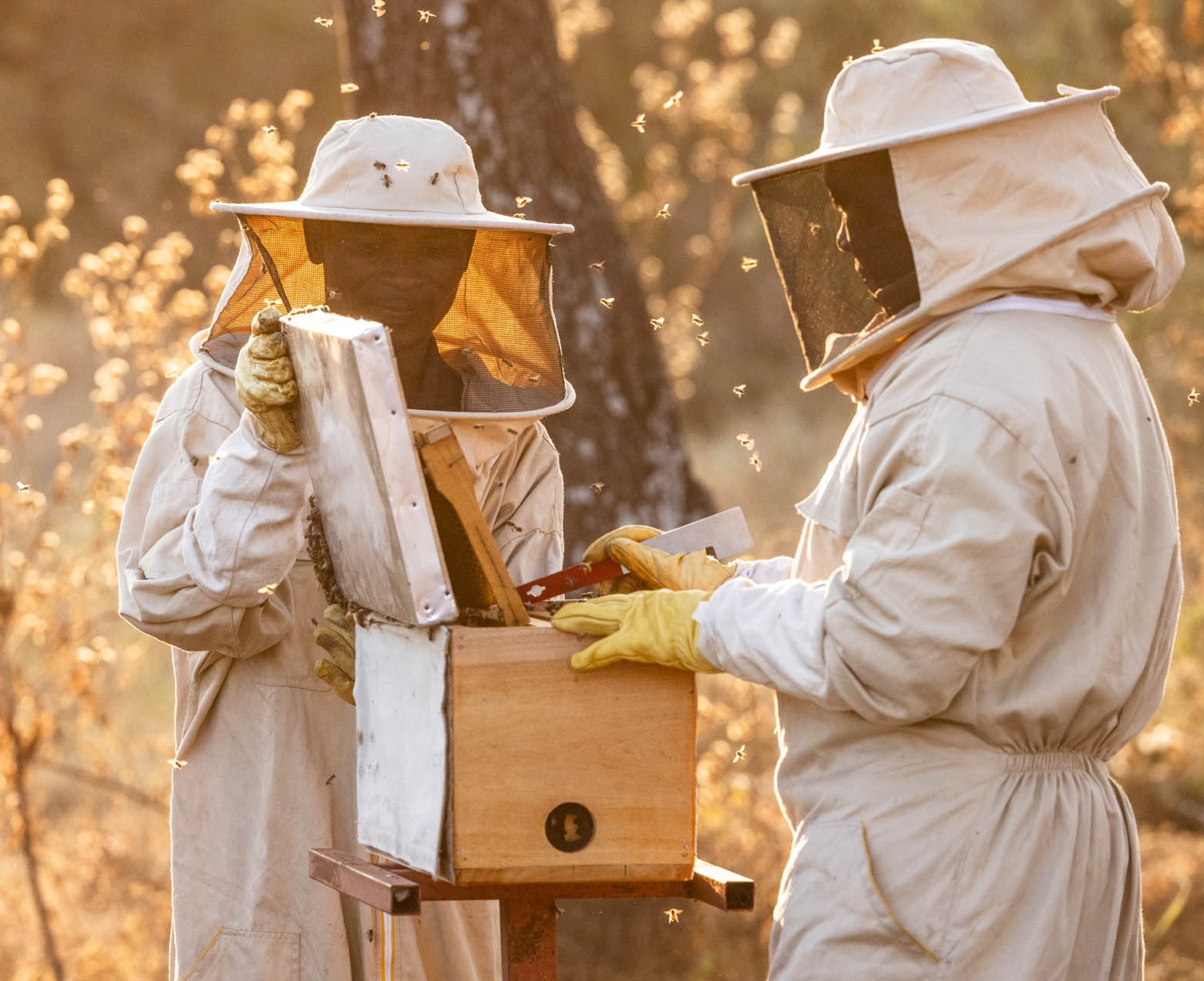
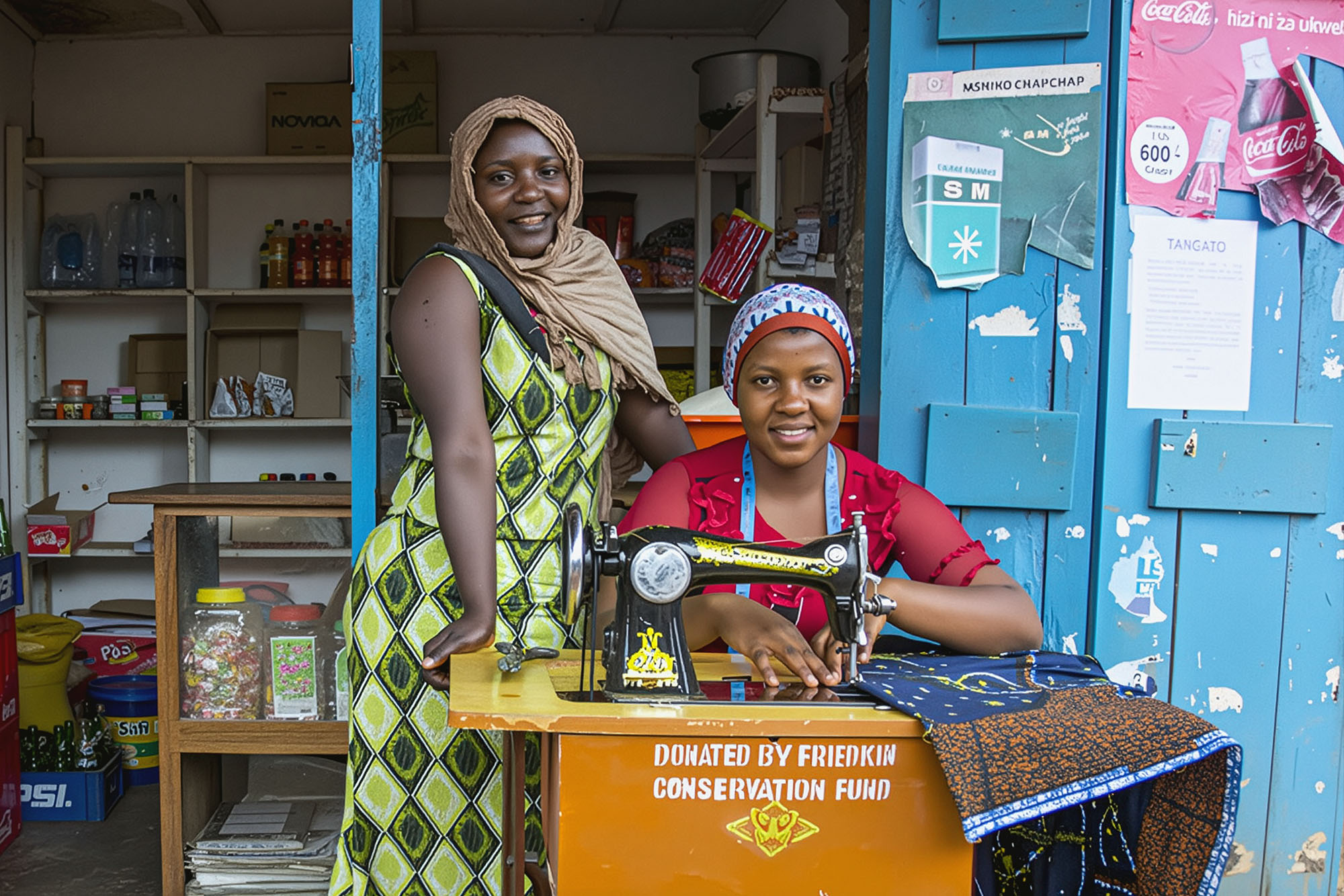
Community engagement
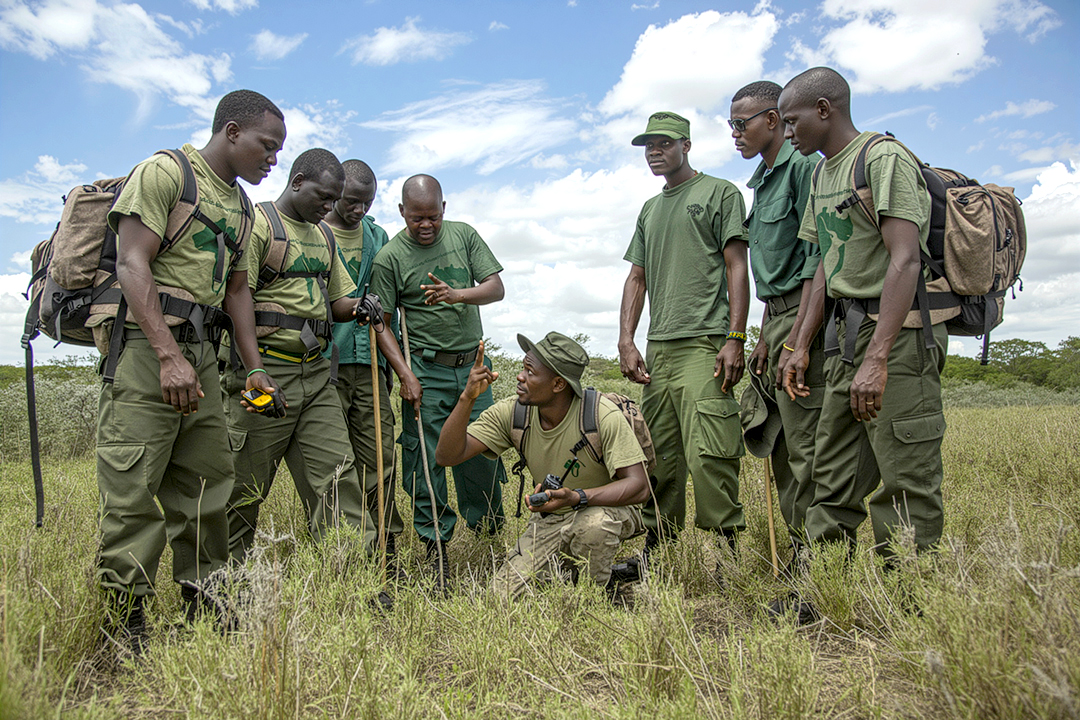
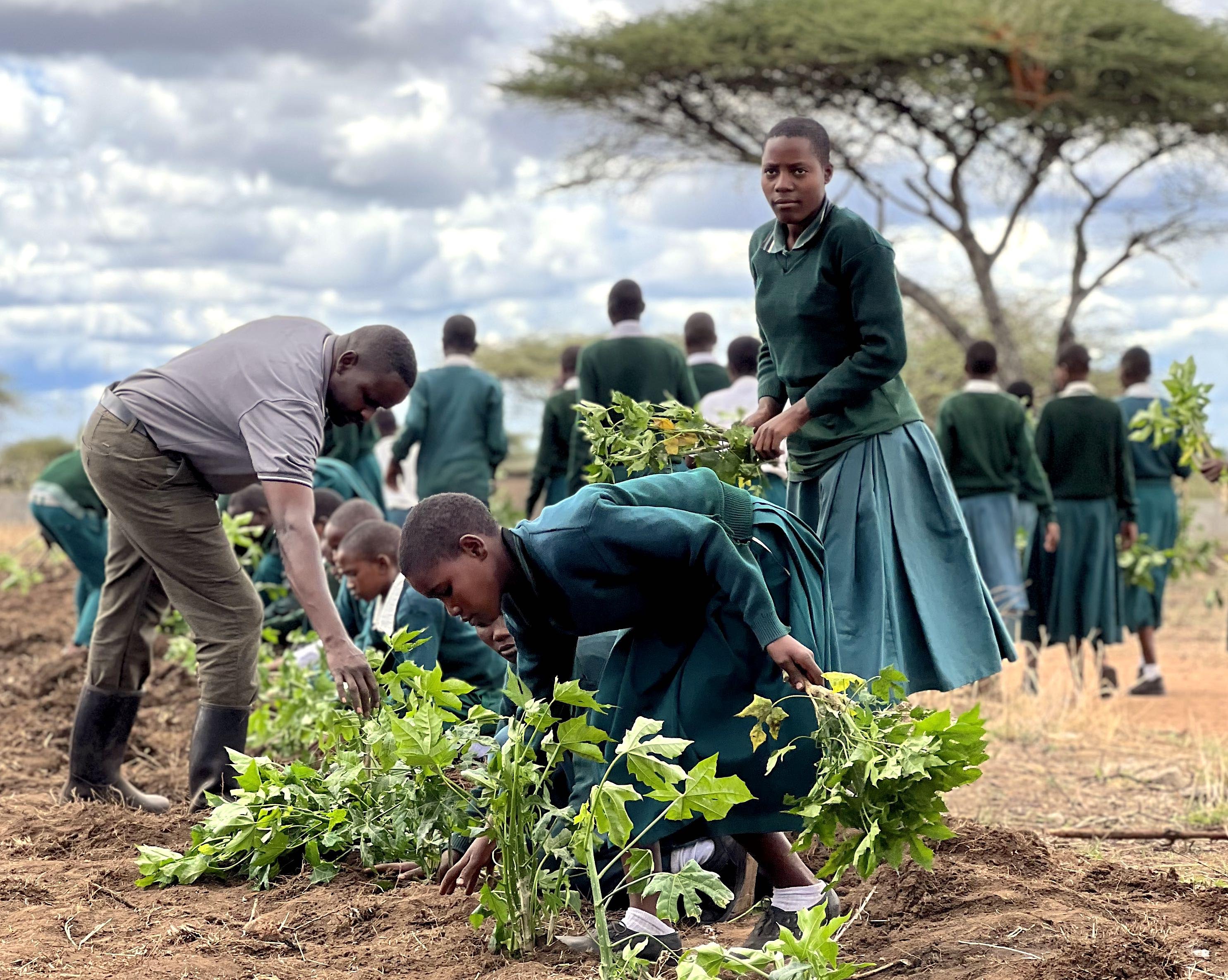
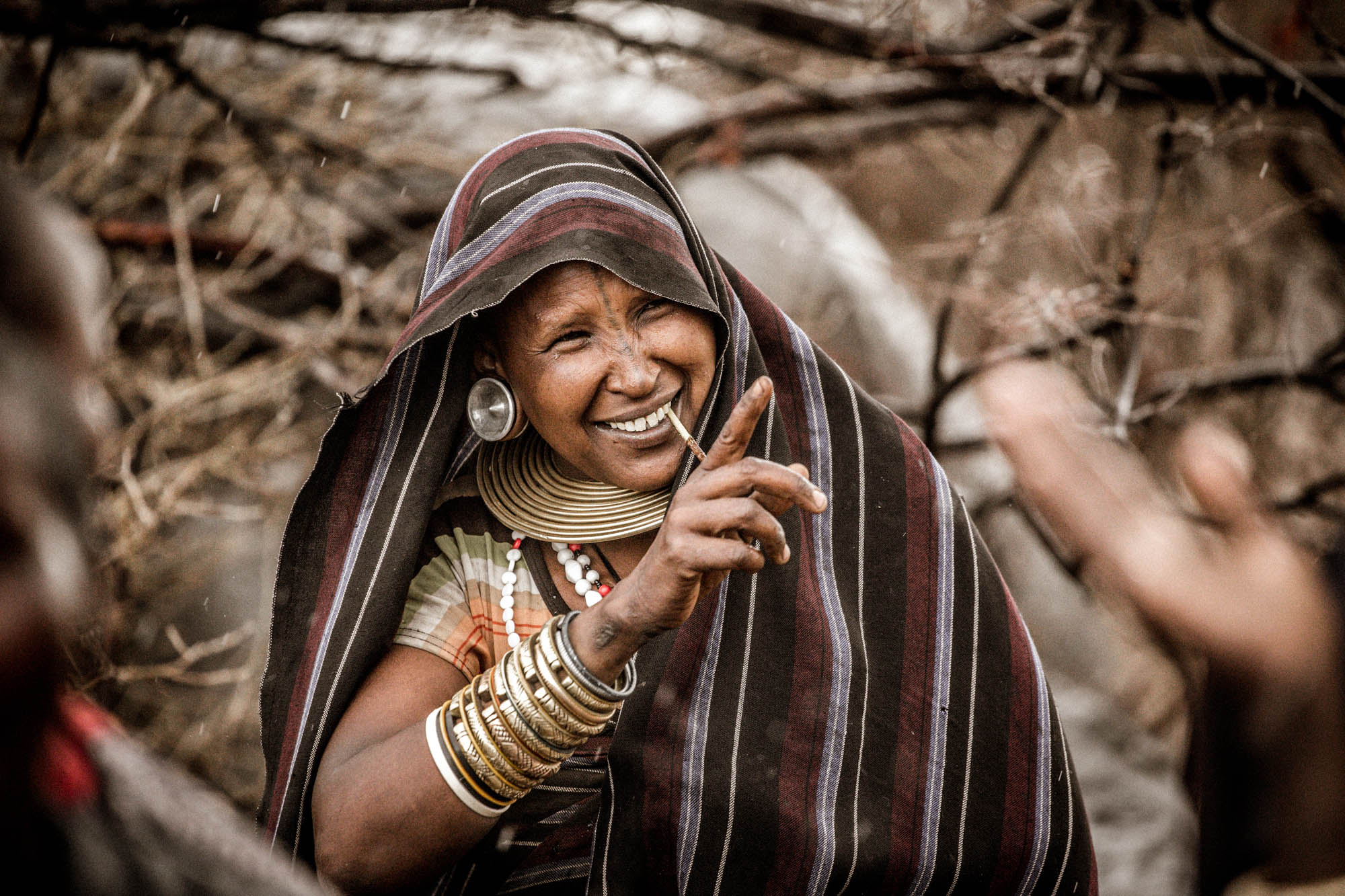
Community upliftment and conservation are two sides of the same coin. The well-being of Tanzania’s wild spaces is directly connected to that of the communities that live side-by-side with them. The road to safeguarding the ecosystems we protect is paved through education, economic empowerment and ensuring that our communities come to see the role protected wildlife areas can play in improving their lives.


GALLERY
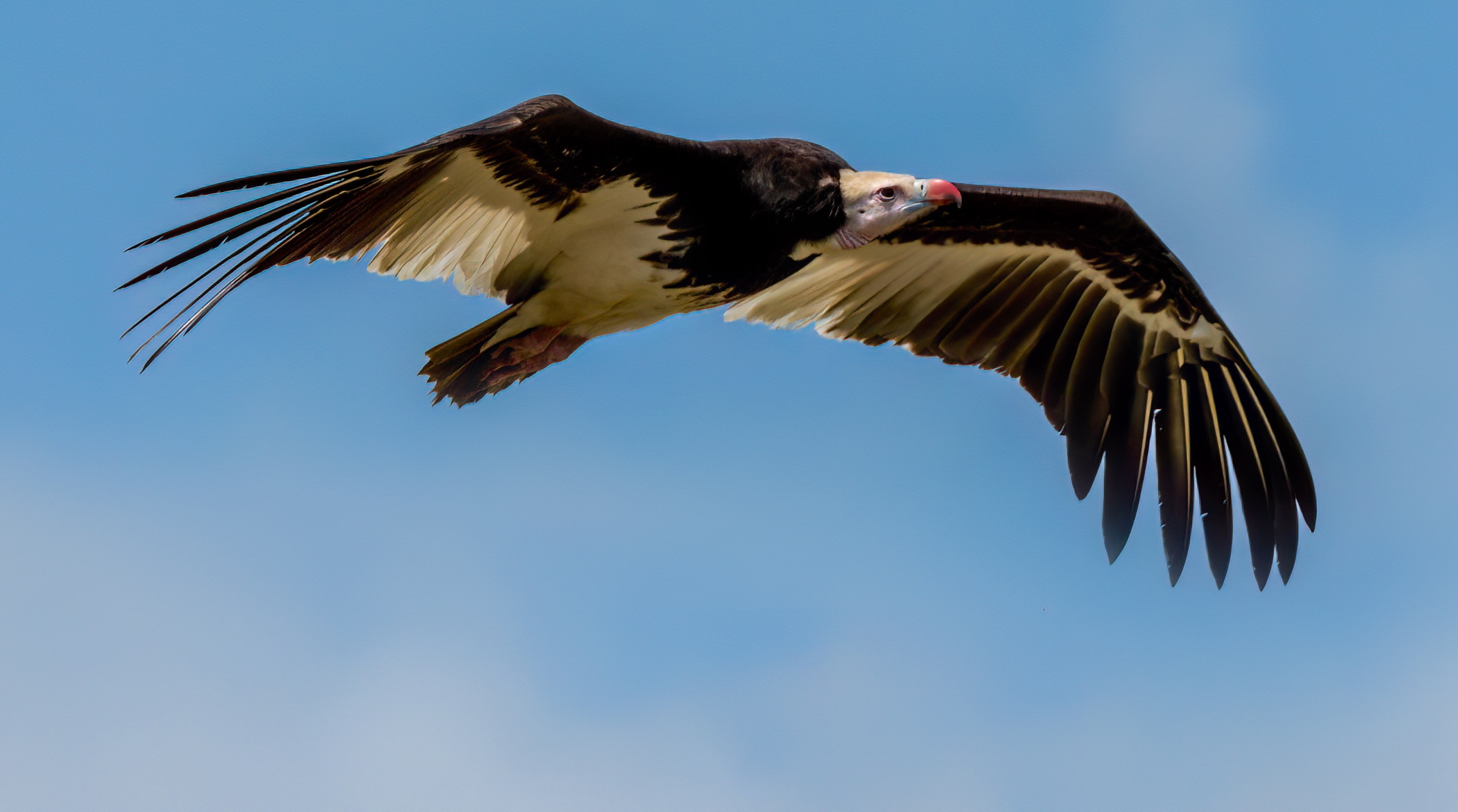
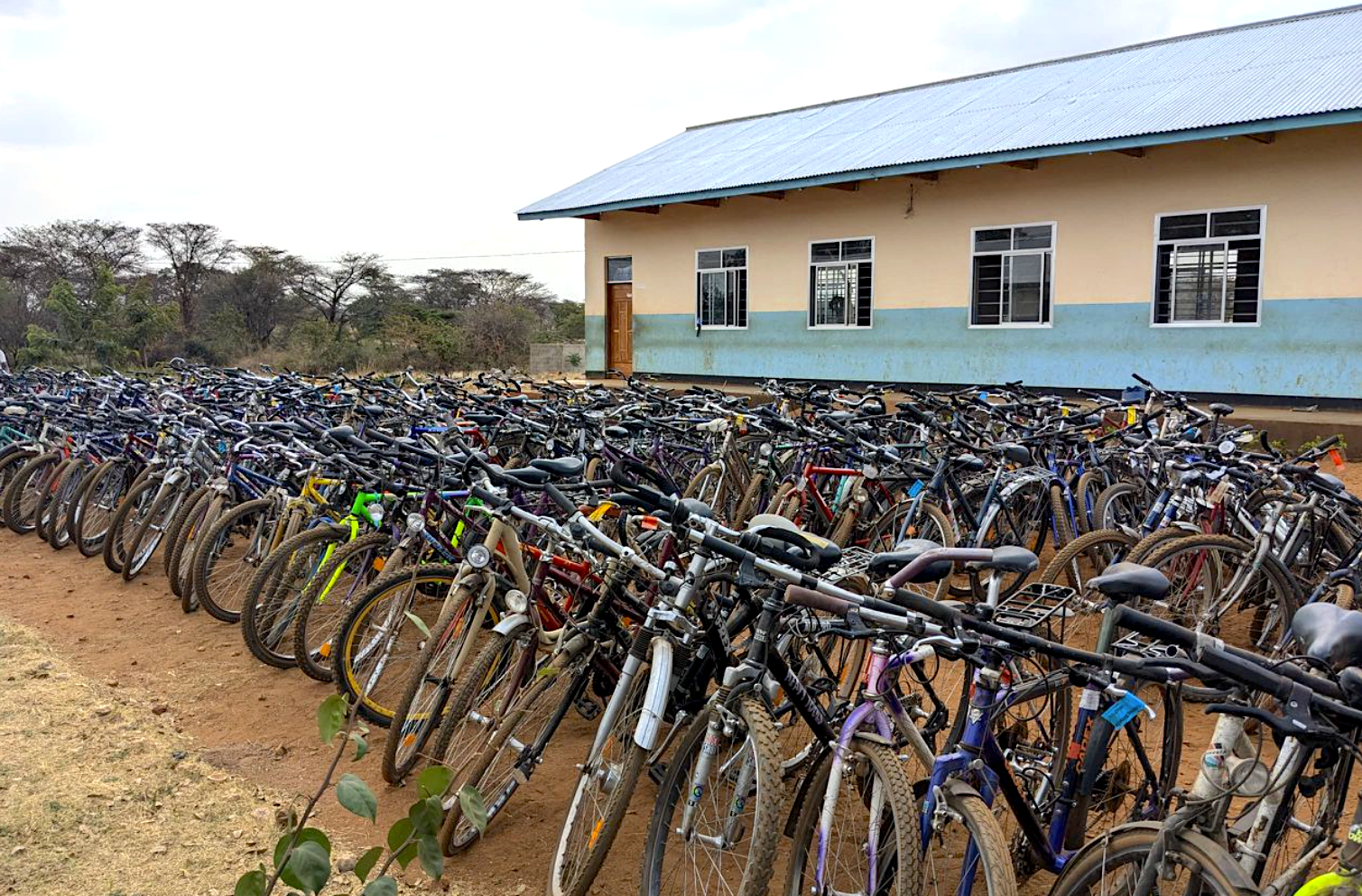
Our stories in images
.jpg)
.jpg)
OUR IMPACT
Measurable impact makes for tangible change
Over the past year alone, our conservation and community empowerment initiatives have grown from strength to strength.


harvested by our
beekeeping groups.

schoolchildren across
the region.

Annual reports
To learn more about the impact of our work, download your copy of our Annual Reports below.

OUR PARTNERS
Collaboration is conservation’s secret weapon
_Final.png)



STAY WITH US
Add purpose to your journey
Our strategic partnership with Legendary Expeditions ensures that every safari becomes a story of impact. Guests staying at their world-class safari camps directly support our conservation and community programs through a built-in contribution model.
This is tourism as it should be: transformative, respectful, and regenerative.
To read more about the inextricable link between conservation and tourism, click the link below.
READ MOREYou can make
a difference
The coming years will define the fate of Africa’s wildlife. It will take an enormous amount of effort, commitment, and funding from both the Tanzanian government and the private sector to ensure the protection of Africa’s precious wildlife-rich areas for generations to come.
Book a safari with Legendary Expeditions and give your journey purpose.
Make a tax-deductible donation via Friedkin Conservation Fund. FCF is a Texas-based non-profit corporation registered as a501(c)(3) public charity in the United States. Accordingly, your donation is tax-deductible as permitted by law. Please consult with your tax advisor.
CONTACT US
Get in touch
For more information on how you can help us make a difference, get in touch with our team via email.
Or, SIGN UP for the Legendary Expeditions newsletter for updates on our ongoing community and conservation projects.
FEATURED IN: